Home for the Holidays: A Designer's Stitch-Test Review
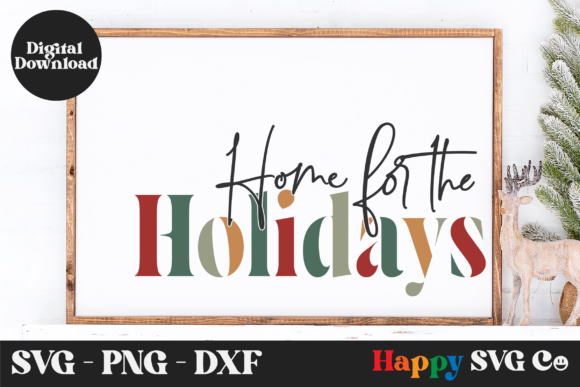
When I first opened the Home for the Holidays design file, my immediate reaction wasn't about the technical specs or the file formats. It was about the feeling it evoked. As someone who has spent years evaluating embroidery designs for real-world projects, from high-volume boutique orders to delicate baby gifts, I know that a successful design needs more than just clean lines; it needs a soul. This retro-style graphic brings an instant sense of warmth and nostalgia that is perfect for the current season.
The prompt describes this as a set including SVG, DXF, and PNG files suitable for iron-on transfers or sublimation. However, as an embroidery designer, my mind immediately started translating those vector shapes into stitches. Could this work as a machine embroidery design? Would the retro aesthetic hold up under the tension of a satin stitch, or would the details get lost in the thread? In this review, I am putting Home for the Holidays through the mental and practical gauntlet of a professional craft business owner to see if it truly delivers on its promise for apparel decorators and Etsy sellers.
The First Impression: Mood and Visual Personality
The visual personality of Home for the Holidays is undeniably cozy. The retro styling suggests a mid-century modern vibe that pairs beautifully with vintage-inspired home goods. When I look at the layout, I see a design that naturally belongs on textured fabrics like heavy cotton twill, canvas, or even a soft fleece sweatshirt. The shape feels balanced, avoiding the clutter that often plagues holiday-themed graphics.
For a small shop owner, this mood translates directly to product value. Customers don't just buy a shirt; they buy a feeling. A tote bag featuring this design screams "cozy winter evening," while a pillow cover suggests a welcoming living room. The design assets provided are versatile enough to serve as digital previews for mockups, allowing you to visualize how the finished product will look before you ever thread your needle. It strikes a balance between festive and timeless, meaning it won't feel dated next Christmas.
Real-World Application: From Digital File to Finished Product
Let's imagine a specific scenario. You are preparing inventory for a holiday craft fair. You need a standout item that appeals to both hobbyists and serious collectors. You decide to use Home for the Holidays on a custom embroidered apron for a local bakery client. The retro font and imagery fit perfectly with a rustic kitchen theme.
In this context, the design performs exceptionally well as a central focal point. If you were to convert this into a machine embroidery design, the thick lines typical of retro graphics usually translate into sturdy fill stitches that resist pilling after multiple washes. Imagine the texture of a satin stitch outlining the main elements against a running stitch background. It adds depth without overwhelming the garment. For a sweatshirt embroidery project, the design offers a bold statement that looks professional rather than homemade.
I also see potential for personalized gifts. A baby blanket embroidered with this motif could become a cherished family heirloom. The simplicity of the retro style ensures that the text remains legible even when scaled down for smaller items like caps or patches. For an Etsy seller, this versatility is gold. One digital purchase can yield a dozen different products: tea towels, nursery decor, or even a branded patch for a denim jacket. The ability to adapt Home for the Holidays across such a wide range of handmade products increases your return on investment significantly.
Where to Exercise Caution: Technical Limitations
However, no design is perfect for every situation, and as a reviewer, I must highlight where Home for the Holidays might face challenges. While the file includes SVG and DXF formats which are great for cutting machines, converting them for embroidery requires careful consideration of stitch density.
If you attempt to embroider this on a curved surface like a baseball cap, be wary of the corners. Retro fonts often have sharp angles that can distort when pulled tight around a curve. You may find that the lettering loses its crispness unless you adjust the digitization settings specifically for curved surfaces. Similarly, on thin or stretchy fabrics, the stabilizer choice becomes critical. Without a proper backing, the tension of the stitches could cause the fabric to pucker, ruining the clean lines of the retro aesthetic.
Small hoop sizes present another hurdle. If you try to shrink this design down too much for a tiny accessory, the intricate details might merge together. Dense stitch areas can become difficult to penetrate with the needle, leading to thread breaks or a stiff hand-feel that makes the garment uncomfortable to wear. Additionally, on dark fabrics, the contrast might not be as striking as intended unless you select high-quality, opaque thread colors. Always test the design in black and white mockups first to ensure the negative space works effectively before committing to expensive materials.
Impact on Brand Consistency and Customer Trust
In the world of commercial embroidery, the quality of the design directly impacts customer trust. A sloppy stitch job or a design that doesn't align properly can make a boutique product look cheap. Home for the Holidays, with its clear structure, supports brand consistency. It looks intentional and polished, which elevates the perceived value of your finished product.
When buyers receive a personalized gift or a custom apparel item that features a well-executed design, they are more likely to leave positive reviews and recommend your shop. The design acts as a silent ambassador for your craftsmanship. It signals that you care about the details, whether you are selling a single custom piece or a line of small shop products. For creative entrepreneurs, maintaining this level of professionalism is essential for long-term success in a crowded market.
Practical Designer Notes for Implementation
Before you start stitching, there are several practical steps you should take to ensure success. First, always test the design on scrap fabric. This allows you to check thread color contrast and inspect small details without risking your final inventory. Pay close attention to the stitch density; if the design feels too dense, consider adjusting the underlay or reducing the fill percentage.
Confirm your hoop size early in the process. Ensure the design fits comfortably within your chosen hoop dimensions to avoid trimming issues during production. Review the file formats again; while the description mentions SVG, DXF, and PNG, verify the specific requirements for your embroidery software. If you plan to sell finished items commercially, double-check the licensing terms included with the Home for the Holidays package. Some digital product sellers restrict commercial use, so knowing your rights is crucial.
Finally, consider the end-user experience. Will the finished product withstand frequent washing? Does the fabric texture complement the design? By answering these questions, you move beyond simply using a template and start creating true art. Whether you are working on holiday embroidery for a community center or developing a new line of boutique branding, taking the time to evaluate the design thoroughly pays off in the quality of the final output.
Home for the Holidays is more than just a graphic; it is a tool for storytelling. When used correctly, it transforms simple materials into meaningful keepsakes. For designers, makers, and business owners looking to add a touch of retro charm to their portfolio, this design offers a solid foundation for creativity. Just remember to respect the technical limitations, choose your materials wisely, and let the design do the work of bringing your vision to life.