Jolly Babe Retro: A Designer's Real-World Embroidery Review
When I first opened the folder for Jolly Babe Retro, I didn't just see a vector file; I saw a potential bestseller. As someone who spends hours troubleshooting stitch density and evaluating how a design will age on a garment, my initial reaction was one of cautious optimism. The "Retro" aesthetic is currently dominating the handmade market, but finding a balance between trendy typography and clean embroidery lines is always a challenge. This design immediately struck me as having the right amount of personality to stand out in a crowded Etsy shop or craft fair booth without looking like a cheap print job.
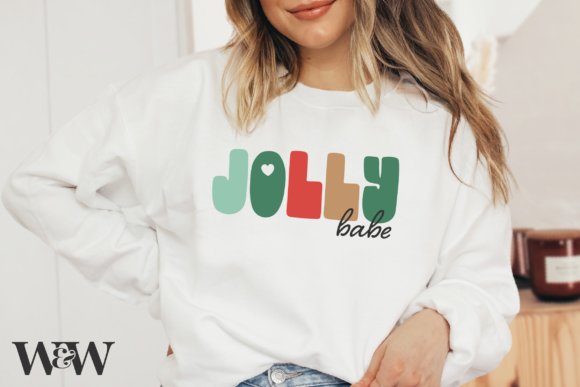
The visual mood of Jolly Babe Retro is undeniably cheerful and nostalgic. It feels like something you would find on a vintage 1970s baby shower invitation or a classic diner menu. The layout suggests a strong focus on lettering with perhaps some playful graphical elements that complement the text. For an embroidery designer, the first question is always about scalability. Does this work as a small chest logo on a hoodie? Can it be blown up for a large patch on a tote bag? From a graphic design standpoint, the spacing looks generous enough to prevent thread crowding, which is a common pitfall when digitizing text-heavy designs.
Real-World Application: The Custom Tote Bag Scenario
Let's talk about a specific use case because that is where design truly lives or dies. Imagine you are preparing for a busy holiday season and decide to create a line of personalized canvas tote bags for local boutiques. You need a design that screams "handmade gift" but can be produced quickly and reliably. Jolly Babe Retro fits this scenario perfectly.
Imagine stitching this onto a natural-colored cotton canvas tote. The retro vibe pairs beautifully with earth tones. If you were to use a cream thread on a beige bag, the design would look subtle and sophisticated, appealing to customers who prefer minimalist aesthetics. However, if you switch to a bold navy or mustard yellow thread, the design pops with energy, making it ideal for a fun, party-themed product. The key here is the versatility of the theme. Unlike a complex illustration that might get lost on a textured fabric, the clean lines of Jolly Babe Retro suggest it will maintain its clarity even on slightly rougher materials like canvas or denim.
I also envision this design on a baby onesie or a nursery pillow. The "Babe" element naturally lends itself to baby products, and the retro font style adds a touch of modern chic that parents love. When a customer sees a finished product, they aren't just buying a bag or a shirt; they are buying the feeling of nostalgia and care that goes into the stitching. This design has the emotional resonance to drive sales for small business owners looking to differentiate their brand.
Where to Exercise Caution
While the design is promising, an experienced reviewer must point out where things could go wrong. Not every surface is created equal. If you attempt to embroider Jolly Babe Retro on a stretchy knit fabric without proper stabilizer, you risk distortion. The curves in the retro lettering are particularly vulnerable to puckering if the hoop tension isn't perfect. I would advise against using this design on very thin fabrics like sheer silk or lightweight polyester unless you are using a cut-away stabilizer to support the weight of the stitches.
Another area to watch is the detail level. While the main text should hold up well, check the smaller decorative accents. If the original SVG contains tiny flourishes or extremely fine serifs, these might not translate well in machine embroidery. Satin stitches can sometimes merge together if the gaps are too narrow, resulting in a blobby appearance rather than crisp lines. Before committing to a production run of fifty units, test the design on a scrap piece of your actual target fabric. This step is non-negotiable for maintaining professional standards.
Additionally, consider the color contrast. On dark fabrics, light threads can sometimes disappear if the stitch density is low. Conversely, dark threads on black fabric might look muddy unless you use a high-quality underlay. Always review your design in a black-and-white mockup first to ensure the shapes remain distinct regardless of the thread color you choose. This simple trick saves time and prevents costly mistakes with expensive specialty threads.
Technical Considerations for the Modern Maker
The product description mentions that Jolly Babe Retro comes in multiple formats including SVG, DXF, EPS, and PNG. This variety is excellent for flexibility. The SVG and DXF files allow you to import the design directly into software like Cricut Design Space or Silhouette Studio if you plan to use a cutting machine for applique or heat transfer vinyl before embroidering. However, remember that these are primarily digital assets. If you intend to use them for direct machine embroidery, you may need to convert them into a specific embroidery format (like .dst or .pes) depending on your machine's requirements.
For those selling digital products, the inclusion of these file types adds significant value. You can offer a complete package to your customers, allowing them to use the design for various purposes, from printing on mugs to cutting vinyl for t-shirts. But if you are a commercial embroiderer, you must verify the licensing terms carefully. Just because you bought the file doesn't automatically mean you have the right to sell unlimited finished items. Check the license agreement to see if there are restrictions on the number of units you can produce or if you need a separate commercial license.
Stitch Quality and Visual Appeal
When executed correctly, Jolly Babe Retro can elevate the perceived value of any handmade product. Customers often associate high-quality embroidery with durability and craftsmanship. A clean, well-stitched design signals that the maker cares about details. This builds trust and encourages repeat business. Whether you are creating a custom apron for a chef or a branded cap for a corporate event, the retro aesthetic of this design adds a layer of uniqueness that mass-produced goods simply cannot match.
To achieve the best results, pay close attention to your thread colors. The retro theme usually calls for muted pastels, warm oranges, or deep teals. Avoid neon colors unless they fit the specific vibe you are going for, as they can sometimes clash with the vintage feel. Also, ensure your hoop size matches the design dimensions. Trying to squeeze a large design into a small hoop can lead to awkward positioning and uneven stitching around the edges.
In conclusion, Jolly Babe Retro is a versatile and visually appealing choice for designers looking to add a touch of nostalgia to their projects. It works exceptionally well for apparel, home decor, and personalized gifts. By testing your setup, choosing the right fabrics, and respecting the technical limitations of embroidery, you can turn this digital asset into a stunning finished product that your customers will love. It is a solid addition to any crafter's library, provided you approach it with the practical mindset required for professional results.