Reviewing Vintage 1939 for Real Embroidery Work
I have spent years reviewing machine embroidery design files, testing everything from complex floral motifs to simple text-based graphics. When I first saw the Vintage 1939 file, my initial reaction was practical rather than purely aesthetic. As a designer who frequently creates products for Etsy sellers and small boutique owners, I don't just look at how a design looks on a screen; I think about how it behaves under a needle, how it holds up after washing, and whether it adds value to a finished product.
The Vintage 1939 design immediately evokes a specific mood: nostalgic, celebratory, and timeless. It is not just a collection of numbers; it is a statement piece that suggests heritage and personal history. For crafters looking to create personalized gifts or commercial merchandise, this design offers a strong foundation. However, before you commit to using this in a client project or your next shop listing, it is essential to understand its structural integrity and visual personality in a real-world context.
First Impressions and Visual Personality
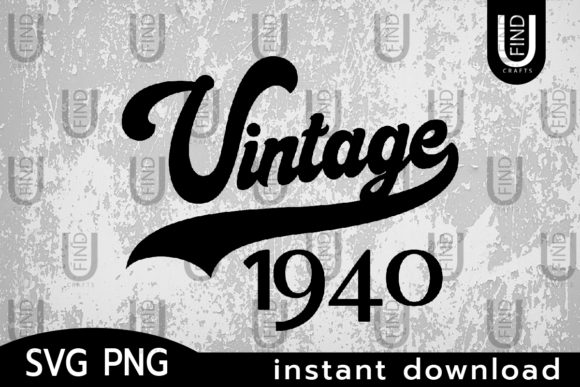
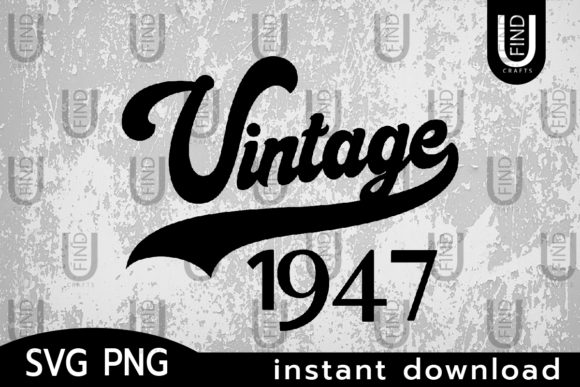
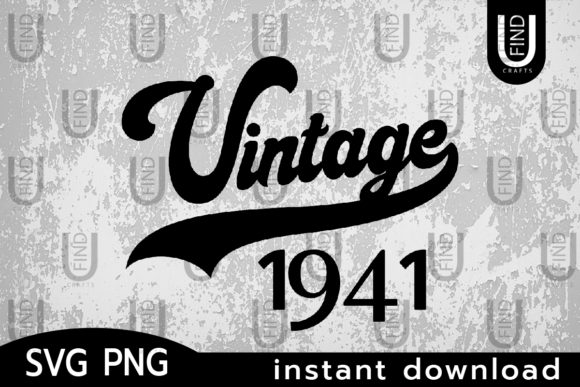
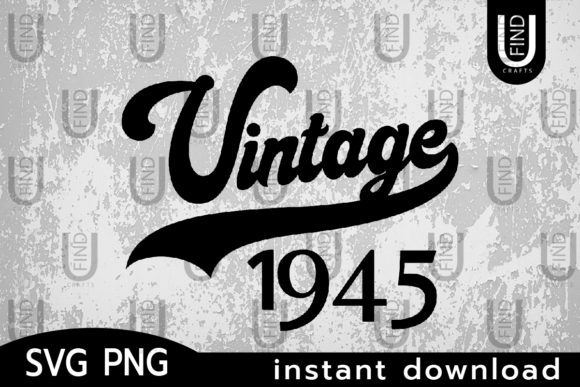
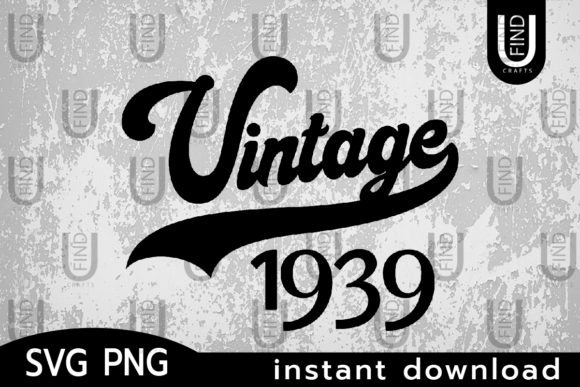
From a graphic design perspective, the layout of Vintage 1939 feels balanced and confident. The retro typography implies a mid-century aesthetic that pairs well with current trends in vintage-inspired crafts. Unlike some modern designs that rely heavily on intricate details which can get lost in stitching, this design appears to lean into bold shapes and clear lines. This is crucial for embroidery files because simplicity often translates to better stitch clarity.
The visual personality of this asset fits naturally into the Crafts and Graphics categories, specifically for those focusing on apparel decoration and home decor. It has a "ready-to-wear" feel. Whether you are planning a custom sweatshirt for a milestone birthday or a set of embroidered patches for a brand, the design commands attention without screaming for it. It feels like something a customer would proudly display, suggesting that the final product will have high perceived value.
A Real-World Scenario: The Boutique Birthday Gift
To truly evaluate Vintage 1939, let's imagine a specific scenario. You are an Etsy seller preparing a rush order for a client who wants a custom embroidered tote bag for their grandmother's 85th birthday. The grandmother was born in 1939. You decide to use this design as the centerpiece.
In this situation, the design needs to be legible on canvas or cotton duck fabric. The retro style works perfectly here, bridging the gap between a modern handmade item and a classic keepsake. As you prepare the mockup, you realize that the design's clean lines will contrast beautifully against a neutral-colored bag. The customer isn't just buying a bag; they are buying a memory. The Vintage 1939 motif anchors the emotional weight of the gift. If the stitching is crisp and the thread colors are chosen well, this becomes a premium item that justifies a higher price point in your shop.
However, if you were to try this same design on a stretchy jersey t-shirt without proper stabilization, the result might differ. The design's density matters here. If the fill stitches are too heavy, the fabric could pucker, ruining the silhouette of the garment. This is why understanding the technical specs of your digital embroidery file is non-negotiable before moving to production.
Performance Across Different Projects
The versatility of Vintage 1939 makes it a strong candidate for various applications, but success depends on where you apply it. For custom apparel like hoodies and denim jackets, the design shines. These fabrics provide enough structure to support the weight of the embroidery. Similarly, for baby embroidery on onesies or burp cloths, the retro theme is adorable, provided the scale is adjusted correctly.
For home decor, consider using this on tea towels, pillow covers, or kitchen aprons. The stitch density needs to be appropriate for these items. A heavy fill might make a flour sack towel feel stiff, whereas a lighter touch preserves the softness that customers expect from kitchen linens. In the realm of commercial embroidery, such as branded caps or patches, this design offers excellent recognition potential. The year "1939" acts as a focal point that draws the eye immediately.
It also serves well as a printable mockup element for digital product sellers. If you are selling templates or design assets, showcasing Vintage 1939 in a realistic setting helps buyers visualize the end result. This transparency builds trust and reduces return rates because the buyer knows exactly what they are getting.
Where to Exercise Caution
While Vintage 1939 is a robust design, it is not without limitations. There are specific scenarios where this design requires careful handling. First, avoid using it on very small hoop sizes unless the design has been scaled down significantly. Tiny lettering can become illegible if the stitch count is too low, resulting in a muddy appearance.
Textured fabrics pose another challenge. If you attempt to embroider this on a thick, looped chenille or a rough burlap, the needle may struggle to penetrate, leading to skipped stitches or thread breaks. Thin, delicate fabrics like silk or sheer organza are also risky unless you use a high-density stabilizer and a fine needle. Stretchy fabrics, common in athletic wear, require extra care; the tension of the stitches can distort the material if not managed with the right backing.
Dense stitch areas within the design should be inspected closely. If the file contains large blocks of satin stitch, ensure that the angle of the stitches varies to prevent the fabric from becoming rigid. Additionally, dark fabrics require a top layer of stabilizer or a specific thread choice to ensure the design pops. Always test the contrast before running a full production batch.
Practical Notes for Designers and Makers
If you are incorporating Vintage 1939 into your workflow, follow these practical steps to ensure a professional finish. First, always test the design on scrap fabric that matches your final project material. This allows you to check thread color contrast and observe how the fabric reacts to the needle penetration.
Review the stitch density carefully. If the design feels too dense for your intended fabric, consider adjusting the settings in your digitizing software or selecting a lighter thread weight. Confirm your hoop size early on to ensure the entire design fits comfortably without cutting off any elements. Inspect small details, especially the curves in the typography, to ensure they remain sharp after stitching.
It is also wise to test the design in black and white mockups. Sometimes, color choices can hide structural flaws, while a monochrome view reveals issues with spacing and balance. Compare light and dark fabric backgrounds to see how the thread colors interact with the substrate. Using the proper stabilizer is critical; never skimp on this step, as it is the backbone of a successful embroidery project.
Finally, confirm licensing terms before selling finished items. Even though this is a digital download, the usage rights vary. Ensure you have the permission to sell the physical goods created with this design. Whether you are an Etsy seller, a small shop product creator, or a hobbyist making a personalized gift, respecting these boundaries protects your business and your reputation.
In conclusion, Vintage 1939 is more than just a file; it is a versatile tool for creative entrepreneurs. When used with the right technique and consideration for fabric properties, it elevates a simple handmade product into a cherished keepsake. By approaching this design with the caution and insight outlined above, you can ensure that every stitch contributes to a high-quality, professional result.