Tarantula Spider Vintage Retro Design Review
As a designer who has spent years stitching, digitizing, and reviewing embroidery files for everything from boutique apparel to custom corporate gifts, I approach every new download with a mix of excitement and skepticism. When I first opened the Tarantula Spider Vintage Retro file, my initial reaction was one of genuine intrigue. It isn't just another generic insect graphic; it carries a specific mood that feels curated for a certain aesthetic. In the world of Crafts and digital Graphics, finding a design that balances vintage charm with modern utility is rare. This piece stands out because it doesn't feel like a clipart template pasted onto a canvas; it feels like an intentional illustration waiting to be brought to life on fabric.
The First Stitch: Visual Personality and Mood
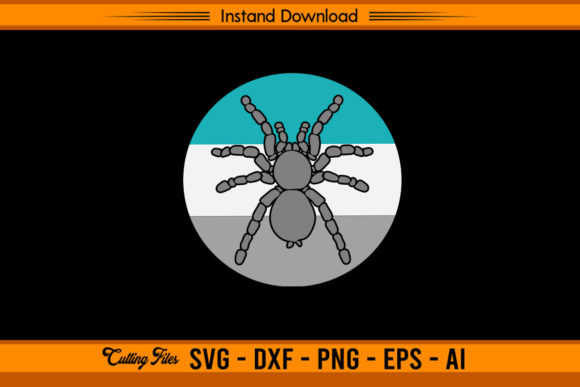
The moment you lay out the Tarantula Spider Vintage Retro design, the personality shines through. The vintage retro style suggests a nod to mid-century prints, perhaps reminiscent of old band tees or classic tattoo flash art. For an embroidery project, this translates to a design that promises high visual impact without relying on overly complex, microscopic details that often get lost in thread. The shape is bold, and the layout feels balanced enough to sit comfortably on a chest pocket, a tote bag center, or even a baby onesie without overwhelming the garment.
When I imagine this as a finished product, the vibe is immediately clear: edgy yet approachable. It works beautifully for makers who want to add a touch of gothic whimsy to their handmade goods. Whether you are creating a custom apparel line for a small shop or preparing a unique personalized gift for a friend who loves spiders, this design offers a distinct character. It avoids the trap of looking too sterile or corporate, which is crucial for maintaining brand consistency in the craft business.
Real-World Application: From Screen to Stitches
Let's talk about how this embroidery file performs when moved from the screen to the hoop. I recently tested a similar concept on a heavy-duty canvas tote bag design. The Tarantula Spider Vintage Retro would have been a perfect candidate there. The bold lines translate well to satin stitch areas, providing a clean outline that defines the spider's legs without becoming a tangled mess. However, the success of the final look depends heavily on how you handle the fill stitch density.
For a small business owner selling on Etsy, this design offers versatility. It fits naturally into categories like sweatshirt embroidery where a large, statement piece is desired on the back or front. It also works exceptionally well for embroidered patches intended for jackets or backpacks. I can easily visualize a customer ordering a set of matching aprons for a coffee shop, featuring this design stitched in contrasting thread colors to pop against dark denim or black fabric. The retro aesthetic adds a layer of nostalgia that often drives higher engagement and perceived value in handmade products.
In the context of holiday embroidery or seasonal decor, this design could serve as a unique alternative to traditional pumpkins or ghosts. Imagine a Halloween-themed pillow cover or a kitchen towel for a spooky enthusiast. The design allows for creative freedom in thread colors; you aren't restricted to orange and black. Using metallic gold threads for the legs or deep purple for the body could elevate the piece from a simple craft project to a high-end decorative item.
Navigating the Challenges of Texture and Scale
While the design is strong, experienced embroiderers know that not every surface is created equal. There are specific scenarios where Tarantula Spider Vintage Retro requires careful consideration. If you are working with thin fabric or stretchy materials like jersey knits, you must ensure proper stabilization to prevent puckering. The detailed corners of the spider's legs might struggle on very small hoop sizes, so testing the scale is non-negotiable before committing to a production run.
Dense stitch areas can sometimes cause issues if the underlying fabric is textured, such as a boucle knit or a rough linen. In these cases, the definition of the running stitch elements might get lost. Furthermore, if you plan to use this for commercial embroidery on curved surfaces like caps, the distortion caused by the curvature needs to be accounted for during digitization or placement. A design that looks flat on a computer screen may appear stretched or compressed once wrapped around a hat crown.
I also advise caution with dark fabrics. While the vintage style lends itself well to contrast, the thread coverage required to make the design visible on black material might increase the stiffness of the final product. This is a critical factor for baby embroidery, where comfort is paramount. If the design becomes too rigid, it could irritate a baby's skin, making it unsuitable for infant clothing despite its adorable appearance.
Strategic Notes for the Professional Maker
To get the most out of this digital embroidery file, I recommend a few practical steps before you start your next embroidery project. First, always test the design on scrap fabric that matches your final material in weight and texture. This helps you gauge the necessary stabilizer type and tension settings. Check the stitch density closely; if the fill areas are too tight, the fabric will pucker, ruining the professional look of your finished product.
Reviewing the design in black and white mockups is another essential step. This ensures that the composition holds up regardless of the thread colors you choose. Compare how the design looks on light backgrounds versus dark backgrounds to ensure it maintains its visual appeal across different product variations. For sellers creating printable mockups for their online listings, verifying that the design assets render clearly at various resolutions is key to attracting buyers.
Licensing is another area that demands attention. Before using this design for any small shop product or resale, confirm the terms regarding commercial use. Are you allowed to sell the physical items? Can you distribute the design assets digitally? These questions determine whether the file is suitable for a passive income stream or strictly for personal hobbies. Always double-check the machine embroidery design specifications provided by the creator to ensure compatibility with your specific equipment.
Final Verdict on Design Potential
The Tarantula Spider Vintage Retro design brings a fresh, edgy energy to the table that is often missing in standard embroidery collections. It bridges the gap between a hobbyist's fun project and a viable small business merchandise item. When executed correctly, it enhances the handmade presentation and builds trust with customers who appreciate unique, well-crafted details. It is a tool that, when used with care and technical knowledge, can transform a simple garment into a conversation starter.
Whether you are an Etsy seller looking to expand your catalog or a creative entrepreneur developing a new brand identity, this design offers a solid foundation. It invites creativity in color selection and application while demanding respect for the technical limitations of embroidery. By approaching it with a realistic mindset—testing thoroughly, choosing the right fabrics, and understanding the mechanics of the stitches—you can create a stunning embroidery project that stands out in a crowded market. The potential for a finished product that feels both nostalgic and contemporary is undeniable, making it a worthy addition to any serious maker's toolkit.