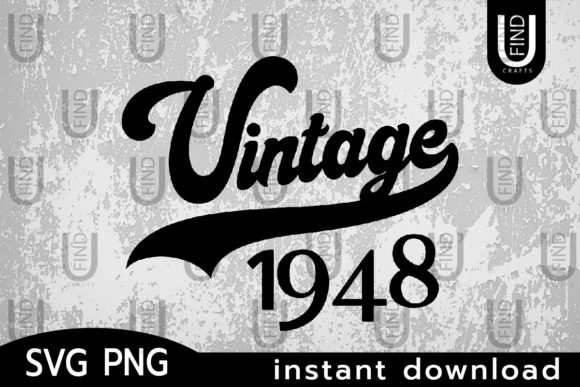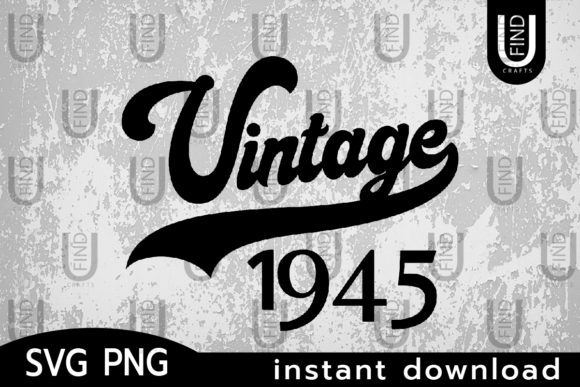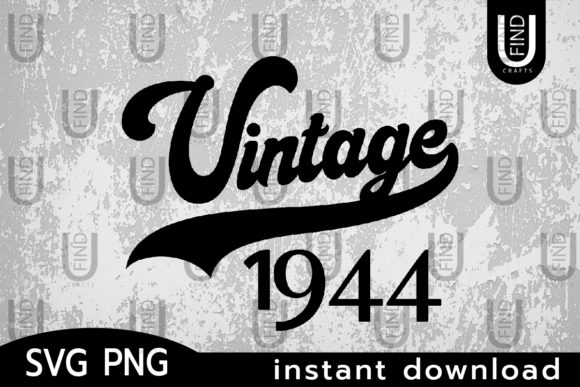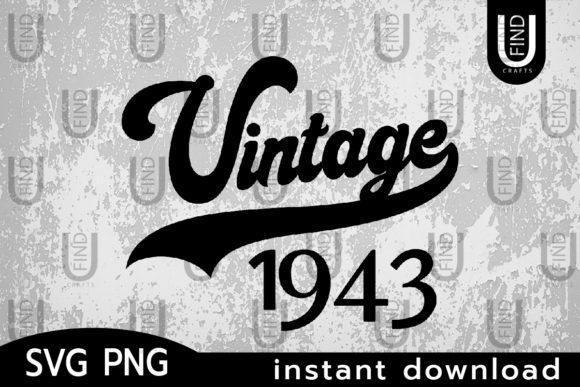
Vintage 1938 Embroidery Review
When I first opened the file for Vintage 1938, I immediately thought about the specific niche it fills in a crowded market. As someone who has spent years evaluating machine embroidery designs for both personal hobbies and client work, I know that a simple date on a shirt is rarely just about the year. It is about nostalgia, identity, and the story a maker wants to tell. This design feels less like a generic graphic and more like a curated piece of history waiting to be stitched into something tangible.
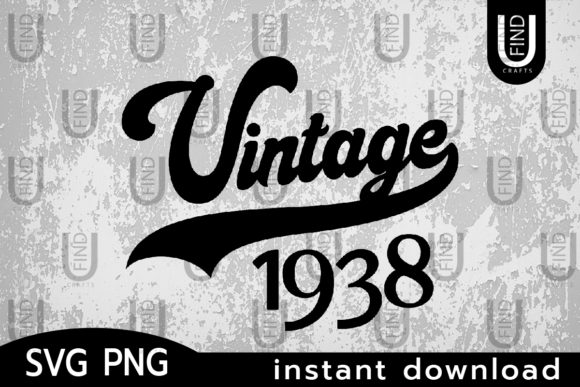
The visual personality of this retro SVG is distinct. It carries a weight of authenticity that often gets lost in modern digital art. The typography and layout suggest a mid-century aesthetic that pairs perfectly with the tactile nature of thread. When you hold a finished product featuring this design, the viewer does not just see a pattern; they feel a connection to a specific era. For the craft business owner or Etsy seller, this is exactly the kind of asset that elevates a standard handmade product into a boutique item.
From Digital File to Finished Product
I recently put Vintage 1938 through its paces while preparing a custom order for a client's 86th birthday gift. The goal was to create a personalized sweatshirt that felt timeless rather than dated. We chose a heather grey cotton blend fabric, which provided a soft background for the embroidery. The decision to use this design over a generic "Happy Birthday" template was immediate because of its unique character.
The transition from the digital download to the hoop was smooth, but the real test lies in how the design handles different stitch types. In this case, we utilized a combination of satin stitch for the main lettering to give it that crisp, vintage label look, and fill stitches for any decorative elements. The density of the stitches was well-balanced, preventing the fabric from puckering even on the thinner sections of the garment. When the stitching was complete, the result was sharp and clean, with no loose threads marring the retro aesthetic.
This approach works equally well for other projects. Imagine applying this same design to a canvas tote bag for a craft fair vendor or an embroidered patch for a denim jacket. The versatility of the layout allows it to adapt to various surfaces without losing its impact. Whether it is being used as a digital embroidery file for a small shop product or a printable mockup for an online listing, the visual appeal remains consistent.
Where Vintage 1938 Shines in Real-World Applications
One of the strongest attributes of this design is its ability to serve as a focal point in personalized gifts. Because the theme is rooted in a specific year, it naturally invites customization. I have seen similar designs used successfully on baby clothes for a "born in 1938" joke (perhaps for a grandparent), or on kitchen towels for a family reunion where the patriarch was born that year. The design acts as a conversation starter, making the recipient feel seen and appreciated.
For commercial embroidery projects, the clarity of the lines is crucial. Clients expect professional results, and Vintage 1938 delivers that level of polish. When used on holiday embroidery projects, such as Christmas stockings or anniversary pillows, the retro vibe adds a layer of sophistication that modern fonts often lack. It fits seamlessly into a brand consistency strategy for artisans who specialize in vintage-inspired goods. A boutique branding effort using this motif can instantly signal quality and attention to detail.
The design also performs admirably on structured items like caps and hats. However, this requires careful planning regarding the hoop size and the curvature of the surface. On a curved cap, the perspective of the text must be adjusted so it reads correctly from the front. When done right, the Vintage 1938 motif looks like a classic team logo or a high-end fashion label.
Navigating Technical Challenges and Fabric Choices
While the design is robust, it is not without its challenges. I would advise caution when attempting to stitch this on stretchy fabrics like jersey knit without proper stabilizer support. The tension required for the satin stitches could distort the fabric if not managed correctly. Similarly, working on dark fabrics presents a contrast issue. If the thread colors chosen are too close to the fabric hue, the intricate details might get lost, diminishing the overall value of the finished product.
Small hoop sizes are another area to watch. If you are trying to fit this design onto a tiny baby onesie or a miniature patch, you may need to simplify the file or adjust the scale. Tiny lettering and detailed corners can sometimes become muddy when stitched at very small dimensions. It is always better to err on the side of slightly larger placement to ensure the design retains its integrity.
Texture also plays a significant role. On rougher fabrics like burlap or heavy denim, the definition of the stitches might soften. While this can add to a rustic charm, it might not suit a project requiring sharp, precise edges. Testing the design on scrap fabric first is non-negotiable. You need to check the thread color contrast and review the stitch density to ensure the final output matches your vision.
Practical Notes for the Designer
Before committing to a full production run or selling a batch of items, I recommend running a few critical checks. First, inspect the small details in the vector file to ensure they will translate well to thread. Second, confirm whether the design works for both personal and commercial projects by reviewing the licensing terms provided with the download. This is essential for anyone looking to sell finished items or digital products derived from the file.
Using a proper stabilizer is key to maintaining the shape of the design, especially on delicate materials. Don't forget to test it in black and white mockups before adding color; this helps visualize the balance of light and dark areas. If you are creating a digital embroidery file for others to use, ensure the instructions are clear about the recommended thread colors and fabric texture compatibility.
Ultimately, Vintage 1938 is more than just a graphics element; it is a tool for storytelling. Whether you are a hobbyist making a one-off gift or a creative entrepreneur building a line of apparel, this design offers a reliable foundation for your work. It respects the craft of embroidery while providing the flexibility needed for modern applications. By understanding its strengths and limitations, you can transform a simple digital download into a cherished, high-quality heirloom piece.
In the world of crafts and graphics, finding assets that balance style with technical feasibility is rare. This design manages to do both, offering a practical solution for makers who want to produce professional-grade results without unnecessary complexity. From the initial download to the final inspection of the stitched piece, the journey with Vintage 1938 is straightforward and rewarding.