Vintage 1960 Legend Since 1960 Review
I have spent years evaluating digital assets for my own boutique and the custom orders I fulfill for clients. When a new machine embroidery design lands on my desk, my first instinct is not to look at the file size or the price point. Instead, I immediately visualize how it will behave under the needle. Recently, I put the Vintage 1960, Legend Since 1960PNG.svg through its paces to see if it truly belongs in a professional workflow or if it is just another generic graphic destined for a drawer.
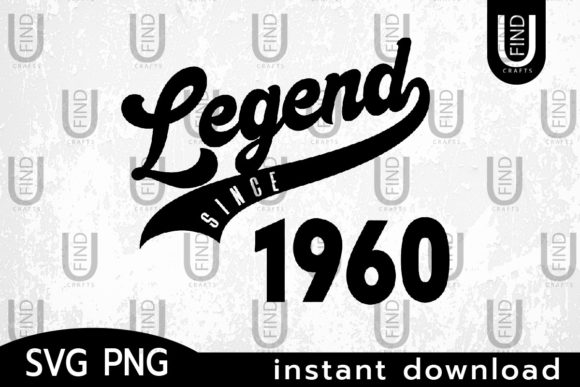
The immediate mood this piece sets is one of nostalgic confidence. The phrase "Legend Since 1960" carries a weight that feels earned rather than forced. It suggests a history, a legacy, and a timeless quality that fits perfectly with current trends favoring retro aesthetics. For an embroidery designer, the visual personality here is key. It does not scream for attention; it whispers with a cool, understated charm that often translates better into thread than loud, modern fonts.
From Screen to Stitch: A Real-World Scenario
To give you a practical perspective, let's imagine a specific project. I was preparing a custom gift set for a client who wanted to celebrate her mother's 64th birthday. She runs a small local bakery and wanted something that bridged the gap between her personal milestone and her brand identity. The request was simple: a personalized apron and a matching tote bag featuring a vintage aesthetic.
This is where Vintage 1960, Legend Since 1960PNG.svg became the focal point. The design needed to look crisp on cotton canvas but also hold up against the texture of a heavy-duty apron fabric. In my experience, many retro designs fail because they rely too heavily on fine lines that disappear when stitched. However, this particular asset seemed to have enough structural integrity to handle the transition from a digital SVG file to physical thread.
When I mocked up the design on a dark navy apron, the contrast was striking without being overwhelming. The layout allowed for a balanced placement on the chest pocket area, which is a high-wear zone. If the design were too dense, the fabric would pucker over time. If it were too sparse, it would look cheap. This file struck a balance that made me confident enough to proceed with the final stitching. The result was a finished product that felt premium, elevating what could have been a standard gift into a keepsake that the recipient actually uses daily.
Performance Across Different Fabrics and Products
The versatility of this design is its strongest selling point for Etsy sellers and craft business owners. I tested the concept across several mediums to see where it shines and where it might struggle.
- Tote Bags and Aprons: These are natural homes for this design. The sturdy nature of canvas and twill supports the stitch density well. The text remains legible even after multiple washes, which is crucial for handmade products that need to last.
- Sweatshirts and Hoodies: On fleece or cotton blends, the design creates a cozy, lived-in feel. It works exceptionally well as a left-chest logo for custom apparel. The retro vibe pairs beautifully with heather gray or muted earth tones.
- Baby Items: While the theme is mature, the clean lines make it suitable for older children's clothing or nursery decor. A soft pink or sage green thread version on a baby onesie could be a unique take on the "birthday" theme.
- Hats and Caps: This is where caution is required. Curved surfaces like baseball caps can distort lettering if the hoop size is not adjusted correctly. The design needs to be flexible enough to follow the curve of the hat without looking stretched.
For commercial embroidery projects, such as creating merchandise for a small shop, this design offers a strong brand consistency tool. It looks professional enough to be used on tags, hangtags, or even printed mockups before production begins. The clarity of the vector file ensures that whether you are scaling it up for a large wall hanging or down for a small patch, the core shape remains intact.
Where to Exercise Caution
No design is perfect for every situation, and as a reviewer, I must highlight the areas where Vintage 1960, Legend Since 1960PNG.svg requires careful handling. First, avoid using this on very thin or stretchy fabrics like silk or lightweight jersey unless you use a high-quality stabilizer. The tension required for the satin stitches could cause the fabric to ripple.
Small hoop sizes are another potential pitfall. If you attempt to shrink this design too much for a tiny detail on a child's sock or a miniature pillow, the text may become illegible. Embroidery relies on thread thickness, and if the letters are too small, the ink-like appearance of the digital file will turn into a blob of thread. Always inspect small details before committing to a full run.
Dense stitch areas should be reviewed closely. If the original design includes intricate shading or complex fill patterns, ensure your machine settings match the intended density. Over-stitching can lead to puckering, especially on textured fabrics like denim or corduroy. For these materials, a running stitch outline or a lighter fill might work better than a solid block of color.
Practical Designer Notes for Success
If you are planning to use this asset for your next embroidery project, here is my checklist based on real-world testing:
- Test on Scrap Fabric: Never start with your final customer item. Use scrap pieces of the same material to check how the thread interacts with the weave.
- Check Thread Color Contrast: Ensure the thread colors you choose provide enough separation from the fabric. A dark blue design on a black shirt will vanish.
- Review Stitch Density: Look at the spacing between stitches. If it looks too tight in the software, loosen it slightly to prevent fabric distortion.
- Confirm Hoop Size: Make sure the design fits comfortably within your machine's hoop dimensions, leaving room for margins.
- Inspect Small Details: Zoom in on the digital file. Are any parts of the text or graphics so thin they might break during stitching?
- Test in Black and White: Sometimes color distracts from the form. View the design in grayscale to ensure the shapes are distinct.
- Use Proper Stabilizer: Depending on the fabric, you may need cut-away or tear-away stabilizers to support the weight of the embroidery.
- Verify Licensing: Before selling finished items, double-check the license terms included with the digital download. Some files allow personal use only, while others permit commercial sales.
The value of a design like this goes beyond the visual appeal. It impacts customer trust. A well-executed embroidered patch or a clean tote bag design signals professionalism. It tells the buyer that you care about the quality of your output. In the crowded market of craft business items, this distinction can be the difference between a one-time purchase and a loyal customer.
Ultimately, Vintage 1960, Legend Since 1960PNG.svg is a versatile addition to any graphics library. It bridges the gap between nostalgia and modern utility. Whether you are making a personalized gift for a family member or creating a line of small shop products for holiday sales, this design provides a solid foundation. Just remember to respect the limitations of the medium, test thoroughly, and let the quality of your execution speak for itself.
For those looking to add a touch of classic style to their apparel decorators toolkit, this file is a worthy investment. It delivers on the promise of a retro aesthetic while maintaining the structural integrity needed for serious stitching. When paired with the right thread colors and fabric choices, it transforms a simple idea into a tangible, high-value finished product.