Vintage 1968: Legend Since 1968 Review
When I first opened the file for Vintage 1968, Legend Since 1968PNG.svg, my immediate reaction wasn't about the nostalgia of the year itself, but rather the potential for a cohesive brand story. As a designer who spends hours evaluating digital assets before they ever touch an embroidery machine, I look for more than just a pretty image. I need to know if the design holds up under tension, how it translates from a vector screen to a stitched surface, and whether it adds genuine value to a handmade product.
This specific graphic carries a strong retro vibe that screams "heritage." It feels like something you would find on a well-worn leather jacket or a classic diner sign. However, the transition from a clean SVG to a tactile embroidered piece is where the real work happens. In this review, I am breaking down exactly how this design performs in a real-world scenario, specifically when applied to custom apparel and boutique merchandise.
The First Stitch: Visual Impact and Mood
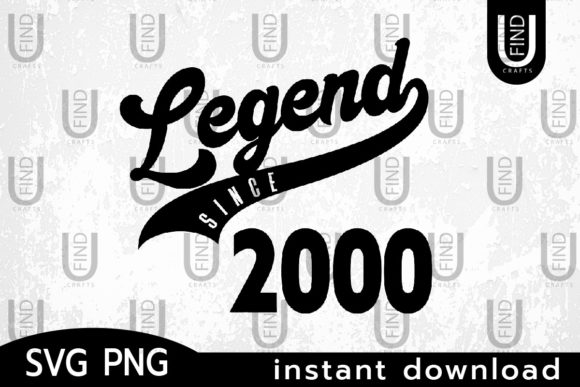
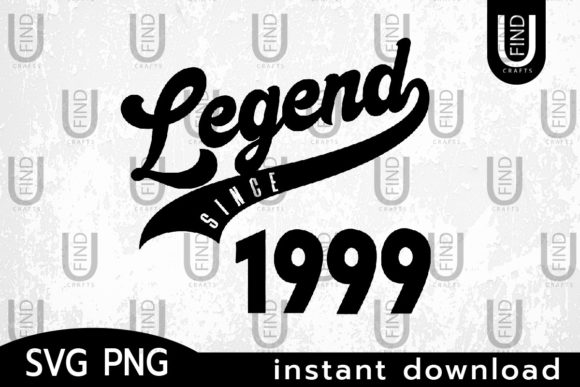
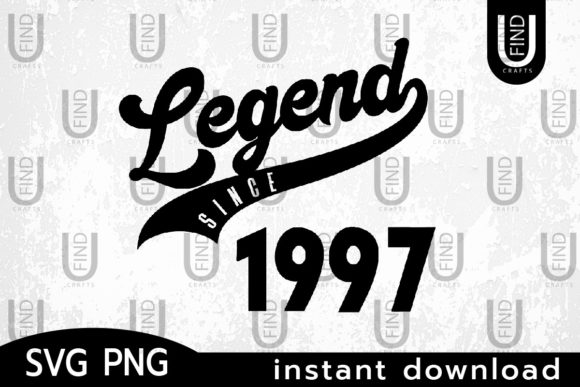
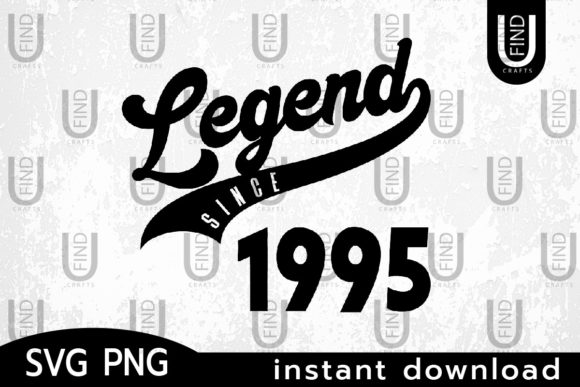
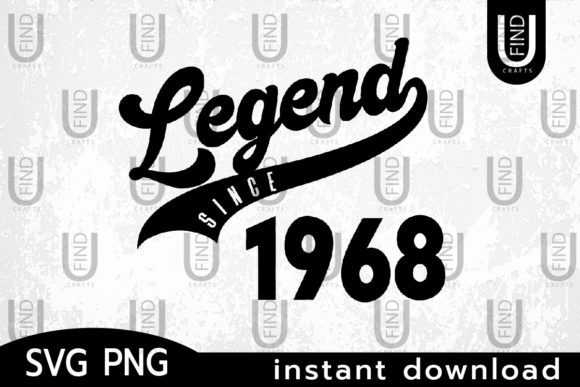
The layout of Vintage 1968, Legend Since 1968PNG.svg is straightforward yet commanding. The typography suggests durability and timelessness, which immediately elevates the perceived quality of any finished item. When I imagine this on a heavy-duty canvas tote bag or a thick cotton sweatshirt, the design commands attention without shouting. It has a quiet confidence that fits perfectly with the current trend of "quiet luxury" in handmade goods.
For a small business owner or an Etsy seller, this visual personality is gold. It allows you to create products that feel curated and intentional rather than mass-produced. The retro aesthetic appeals to multiple demographics, from Gen Z collectors of vintage aesthetics to Baby Boomers celebrating their golden years. This versatility makes it a powerful tool for crafting personalized gifts or building a consistent brand identity for a craft fair booth.
Real-World Application: A Case Study
To truly understand the utility of this file, let's walk through a practical project. Imagine you are preparing a limited run of custom aprons for a local coffee shop or a bakery that prides itself on family recipes dating back decades. You decide to use Vintage 1968, Legend Since 1968PNG.svg as the central motif on the chest area of the apron.
Here is what happens during the execution phase. Because the design features bold lettering, it requires careful consideration of thread colors. On a dark navy or charcoal apron, a cream or off-white thread will pop beautifully, reinforcing the vintage feel. Conversely, on a white apron, a deep burgundy or mustard yellow could add that necessary retro warmth. The key here is contrast; if the thread blends too much with the fabric texture, the "Legend" aspect of the text gets lost.
I also considered using this design on a baby onesie for a 56th birthday celebration. The phrase "Legend Since 1968" works wonderfully as a playful nod to age, turning a milestone into a fun statement piece. In this context, the design needs to be scaled appropriately so it doesn't overwhelm the small garment. The clean lines of the SVG make it easy to resize without losing the integrity of the shape, provided you adjust the stitch density accordingly.
Technical Performance and Fabric Considerations
Not all fabrics play nice with every design, and knowing where to draw the line is crucial for professional results. While Vintage 1968, Legend Since 1968PNG.svg is versatile, there are specific scenarios where caution is required.
- Small Hoop Sizes: If you are working on a cap or a tiny patch, ensure the details remain legible. Embroidery machines have limits on how fine a detail can be rendered. If the original SVG contains intricate serifs or thin connecting lines, they might disappear or merge together in a tight hoop.
- Stretchy Fabrics: For items like t-shirts or hoodies, the stretch factor is significant. Without proper stabilizer, the fabric can pucker around the text, distorting the "Vintage" look. Always test your hooping technique and consider using a cut-away stabilizer for better long-term stability.
- Textured Surfaces: Trying to embroider this on a highly textured fabric, like a chunky knit sweater or a rough burlap sack, can be tricky. The needle might struggle to penetrate the weave consistently, leading to uneven stitches. Smooth fabrics like twill, denim, or smooth cotton offer the best canvas for this design.
- Dense Stitch Areas: If the design includes large fill areas, check the stitch count. High density on thin fabric can cause the material to warp. Always inspect the design file to see if the fill is optimized for the intended fabric weight.
Building Trust and Product Value
In the world of handmade commerce, the finish matters just as much as the concept. A sloppy stitch job can ruin even the best design, while a clean execution builds customer trust. When you use Vintage 1968, Legend Since 1968PNG.svg correctly, the result looks professional and durable. Customers buying a personalized gift or a boutique item want to know that the product will last.
The clarity of the satin stitch and fill stitch is vital here. If the edges of the letters are fuzzy or the corners are rounded off by poor digitizing, the "legendary" status of the design diminishes. By ensuring high-quality stitching, you signal to the buyer that you care about the details. This attention to quality is what separates a hobbyist's output from a commercial-grade product ready for sale.
Furthermore, the design's adaptability extends beyond physical goods. You can use it to create printable mockups for your online listings, giving customers a clear visualization of the final product. Whether it is for a holiday gift, a wedding favor, or a corporate giveaway, the design's timeless appeal ensures it remains relevant season after season.
Practical Designer Notes for Success
Before you commit to a full production run, there are a few steps I always recommend taking to ensure success with Vintage 1968, Legend Since 1968PNG.svg.
- Test on Scrap: Never start with your final product. Run a test on a scrap piece of the same fabric to check for puckering, thread breakage, or color issues.
- Review Density: Check the stitch density settings. If the design is too dense, it may become stiff and uncomfortable. If it is too sparse, it may look unfinished.
- Check Licensing: Ensure you have the correct rights for commercial use if you plan to sell finished items. The listing mentions a digital download, but verify the terms regarding resale of the final embroidered goods.
- Color Testing: Mock up the design in black and white to see how the shapes hold up without color distractions. Then, test various thread combinations against your specific fabric choices.
- Stabilizer Selection: Match your stabilizer to the fabric. Heavyweight designs on light fabrics often require a heavier stabilizer to prevent distortion.
Ultimately, Vintage 1968, Legend Since 1968PNG.svg is a solid asset for any crafter or designer looking to add a touch of nostalgia to their projects. It offers a balance of style and simplicity that works across a wide range of applications, from personal gifts to commercial merchandise. By paying attention to the technical details of embroidery and choosing the right materials, you can turn this digital file into a tangible piece of art that people will cherish.
Whether you are updating your Etsy shop inventory or creating a special anniversary present, this design provides a reliable foundation for creativity. Just remember that the magic lies not just in the file, but in the care and precision you bring to the stitching process. With the right approach, this vintage-inspired graphic can become a standout feature in your portfolio of handmade goods.