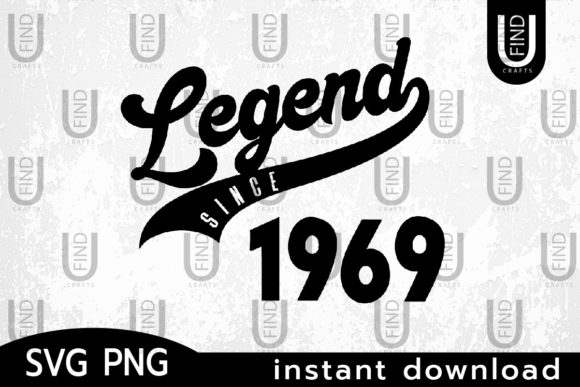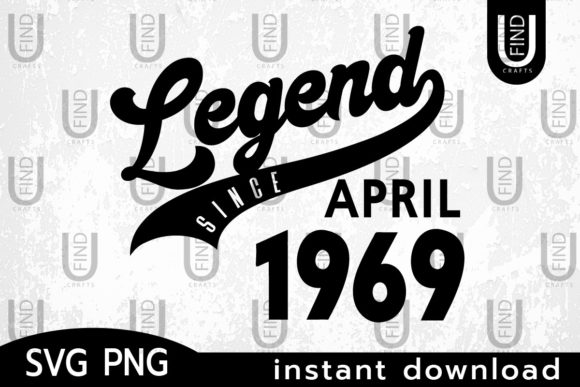
Vintage 1969, Legend Since April 1969
When I first opened the file for Vintage 1969, Legend Since April 1969, my immediate reaction was one of nostalgic recognition. In a sea of generic typography and overused clip art, this design stands out because it feels authentic to the era it references. As an embroidery designer who has spent years refining my craft and reviewing digital assets for client projects, I know that the difference between a good digitized design and a great one often comes down to how well it translates from a screen to fabric. This piece is not just a graphic; it is a statement piece designed to evoke a specific mood of retro coolness.
The visual personality of Vintage 1969, Legend Since April 1969 is bold yet approachable. The layout suggests a classic badge or crest style, which naturally lends itself to central chest placements on apparel or focal points on home decor items. When I imagine this design stitched onto a garment, the typography commands attention without feeling cluttered. It creates a sense of history and permanence, making it an excellent choice for personalized gifts celebrating birthdays, anniversaries, or milestones. For a crafter looking to add value to their handmade products, this design offers a professional look that elevates the perceived quality of the finished item.
Real-World Application: From Screen to Stitch
To truly understand the potential of this machine embroidery design, let's walk through a real-life scenario. Imagine you are preparing for a holiday craft fair or launching a new line of boutique merchandise on Etsy. You decide to create a custom embroidered tote bag featuring the Vintage 1969, Legend Since April 1969 motif. The goal is to create a product that appeals to buyers who appreciate vintage aesthetics but want something modern and usable.
Upon loading the embroidery file into your hoop, the first thing you notice is the balance of the elements. The text curves slightly, mimicking the shape of a classic logo. When you begin stitching, the density of the fill stitches appears robust enough to cover the fabric base effectively, ensuring that the colors pop against a canvas or denim background. For a tote bag project, this design works beautifully because the sturdy fabric can handle the weight of the stitches without puckering. The result is a durable accessory that looks like it came from a high-end brand rather than a hobbyist workshop.
Consider another use case: a sweatshirt for a family reunion or a milestone birthday celebration. Here, Vintage 1969, Legend Since April 1969 shines as a centerpiece. The retro vibe resonates with those born in 1969, creating an instant emotional connection. When placed on the back of a heavy cotton blend sweatshirt, the design becomes a conversation starter. It transforms a simple piece of clothing into a commemorative item. Customers who purchase these items often feel a deeper sense of pride wearing something that celebrates their personal history. This emotional resonance is crucial for Etsy sellers and small business owners looking to build a loyal customer base.
Technical Performance and Fabric Considerations
While the design is visually striking, practical application requires careful consideration of materials and techniques. Not every surface is suitable for every design. When working with Vintage 1969, Legend Since April 1969, you must evaluate the fabric texture and stability. On thin fabrics like light t-shirts or delicate silks, the stitch density might cause pulling if not properly supported. Therefore, using the correct stabilizer is non-negotiable. A cut-away stabilizer is often recommended for stretchy knits to prevent distortion after washing.
Conversely, textured fabrics like towels or fleece present a different challenge. While a kitchen towel or a plush blanket would be perfect for this retro design, the raised loops of the fabric can sometimes obscure fine details. If your design includes very small lettering or intricate decorative accents, test it on a scrap piece of the actual material first. You might find that simplifying the thread colors or adjusting the stitch density yields a cleaner finish. For example, on a dark-colored apron, using high-contrast thread colors will ensure the text remains legible and the vintage aesthetic isn't lost in the shadows.
Hoop size is another critical factor. If you are working on smaller items like baby clothes, caps, or patches, the dimensions of Vintage 1969, Legend Since April 1969 need to fit within the available space without crowding the edges. Curved surfaces, such as baseball caps, require special hoops and careful positioning. The design should be centered perfectly to maintain its symmetry. If the text wraps around a curve too tightly, it may become difficult to read. Always verify the hoop size requirements before starting the machine run.
Strategic Placement for Maximum Impact
The versatility of this design allows it to shine across various categories of handmade products. Beyond apparel and bags, consider its application on pillow covers, nursery decor, or even as part of a wedding gift set. The "Legend" theme adds a touch of sophistication that fits well in a baby nursery, perhaps stitched onto a onesie or a wall hanging. For commercial embroidery projects, this design can serve as a strong branding element for small shops. A consistent use of this retro motif can help establish a cohesive brand identity.
However, there are areas where caution is advised. Avoid placing dense stitch areas on fabrics that will undergo frequent, aggressive washing, such as work uniforms or children's play clothes, unless you are confident in the durability of the thread and stabilizer combination. Additionally, while the design is versatile, it may not be ideal for extremely small details like tiny lettering on a button or a miniature patch. In such cases, the resolution of the digital embroidery file might limit the clarity of the final product.
Designer Notes for Success
Before committing to a full production run, I always recommend running a comprehensive test. Use scrap fabric to check the thread color contrast and ensure the satin stitch and running stitch combinations flow smoothly. Review the design in black and white mockups to see how the shapes hold up without the distraction of color. This step is particularly important for apparel decorators who need to guarantee consistency across different batches.
If you are planning to sell finished items made with Vintage 1969, Legend Since April 1969, confirm the licensing terms provided with the download. Understanding whether the license allows for commercial use is essential for protecting your business. Furthermore, compare light and dark fabric backgrounds during your testing phase to determine the best thread palette. Sometimes, a slight adjustment in thread shade can make a world of difference in the final presentation.
In conclusion, Vintage 1969, Legend Since April 1969 is more than just a Graphics category download; it is a tool for creative entrepreneurs to express nostalgia and style. Whether you are crafting a personalized gift for a loved one or building a robust inventory for your online store, this design offers a reliable foundation for high-quality embroidery projects. By paying attention to fabric selection, stabilization, and placement, you can transform this digital asset into a tangible masterpiece that customers will cherish.