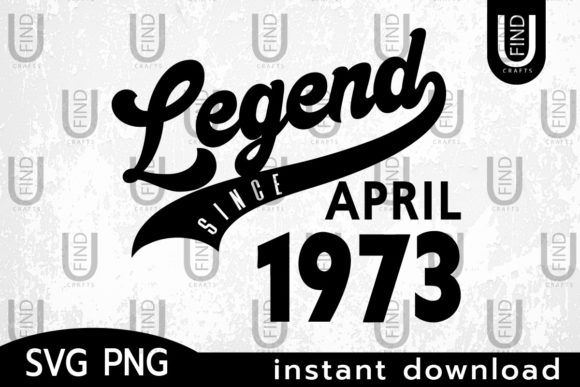
Vintage 1973, Legend Since April 1973
When I first opened the file for Vintage 1973, Legend Since April 1973, I wasn't looking for a generic birthday template. As someone who has spent years turning digital files into tangible, stitched products for clients and my own shop, I know that the difference between a good design and a great one lies in how it translates from screen to fabric. This isn't just a retro graphic; it is a statement piece that carries a specific weight of nostalgia and pride. My goal here is to cut through the marketing fluff and give you a practical breakdown of how this embroidery design performs when you actually put it under the needle.
The First Stitch: Mood and Visual Personality
The immediate impression of Vintage 1973, Legend Since April 1973 is one of bold confidence. The typography feels grounded, evoking the classic lettering styles of the early seventies without feeling dated or cluttered. In the world of machine embroidery, where stitch density and line thickness dictate readability, the layout of this design is surprisingly smart. It avoids the trap of being too thin, which often results in thread breaks on delicate fabrics, while maintaining enough detail to feel premium rather than mass-produced.
For an embroidery designer, the visual personality matters immensely. This design screams "heritage" and "timelessness." It creates a mood that works perfectly for celebrating a significant milestone, whether it is a 50th birthday or simply marking a personal anniversary. The retro aesthetic aligns well with current trends in handmade goods, where customers are seeking items that feel authentic and curated. When I visualize this on a product, I don't see a cheap sticker; I see a piece of history stitched into cloth.
Real-World Application: From Digital File to Finished Product
To truly understand the value of this file, let's look at a real-life scenario. Imagine you are preparing a custom order for a boutique client who wants a special gift for their grandmother turning 50. You need something that looks professional but has a personal touch. You decide to use Vintage 1973, Legend Since April 1973 for an embroidered patch to be sewn onto a canvas tote bag.
In this context, the design shines. The bold lines hold up beautifully against the rough texture of heavy-duty canvas. Unlike intricate floral patterns that might get lost in thick weave, this graphic stands out with clarity. The phrase "Legend Since April 1973" becomes a focal point, transforming a simple utility item into a conversation starter. A customer walking into a craft fair sees this tote and immediately understands the sentiment behind it. It elevates the perceived value of the finished product, allowing you to price your handmade items higher because the design itself adds character and story.
This same logic applies to sweatshirt embroidery or baby clothes. On a soft cotton jersey, the design provides a nostalgic contrast to modern cuts. However, the versatility extends beyond apparel. Think about kitchen towels for a holiday gift or pillow covers for nursery decor. The design's clean lines ensure it remains legible even when scaled down slightly for smaller projects like apron pockets or cap fronts.
Where Caution is Key: Fabric and Surface Limitations
While this is a strong design, no single file is a magic bullet for every situation. As an experienced reviewer, I must point out where Vintage 1973, Legend Since April 1973 might struggle if not handled with care. One of the primary concerns is hoop size relative to the design dimensions. If you attempt to stitch this on a very small hoop, such as those used for wristbands or tiny patches, the text may become cramped, leading to overlapping stitches and a loss of definition.
Fabric choice is equally critical. While sturdy materials like denim and canvas are ideal, stretchy fabrics like standard t-shirt knits require extra attention. Without proper stabilizer, the tension required for the satin stitches could cause the fabric to pucker, distorting the "Legend" text. Similarly, textured fabrics like bouclé or heavily brushed fleece can hide the details of the stitching, making the design appear muddy rather than crisp.
Dark fabrics present another challenge. Depending on the thread colors provided in the file, high-contrast stitching is essential. If the background is black and the thread is dark navy, the design will disappear. Always test the thread color contrast before committing to a large run. Furthermore, if you plan to wash these items frequently, such as aprons or children's clothing, ensure the stitch density is sufficient to withstand abrasion. Loose fill stitches might snag or fray over time, reducing the lifespan of your commercial product.
Impact on Brand and Customer Trust
For Etsy sellers and small business owners, the quality of your design directly impacts customer trust. A sloppy stitch job or a design that doesn't translate well can lead to returns and negative reviews. Vintage 1973, Legend Since April 1973, when executed correctly, signals professionalism. It shows that you care about the details and have taken the time to select assets that enhance your brand identity.
When a customer receives a personalized gift featuring this design, they are not just receiving a garment; they are receiving a piece of art. The recognition of the vintage theme triggers an emotional response, making the item more memorable. This emotional connection is what drives repeat business and word-of-mouth referrals in the craft community. Whether you are selling digital embroidery files or finished physical goods, the consistency of using high-quality, well-thought-out designs builds a reputation for reliability.
Practical Designer Notes for Success
Before you start stitching, there are several technical steps you should take to ensure the best outcome. First, always test the design on scrap fabric that matches the texture and weight of your final project. This allows you to check for puckering, thread breakage, and overall clarity without risking your inventory.
Review the stitch density carefully. If the file contains dense fill areas, consider adjusting the settings on your machine or adding additional stabilizer to support the fabric. Inspect small details, particularly the curves in the letters, to ensure they do not merge together during the stitching process. If you are creating printable mockups for your online store, test the design in both black and white and on various colored backgrounds to ensure it retains its impact in different lighting conditions.
Confirm your licensing terms before selling finished items made with this design. Some digital downloads allow for commercial use, while others are restricted to personal projects only. Understanding these boundaries protects your business from legal issues. Finally, compare light and dark fabric backgrounds to determine the best thread palette. Sometimes, a slight shift in thread color can make the difference between a design that looks flat and one that pops with life.
By treating Vintage 1973, Legend Since April 1973 not just as a file but as a component of a larger creative process, you can unlock its full potential. It is a versatile asset for any crafter, designer, or entrepreneur looking to add a touch of vintage charm to their work. With the right preparation and attention to detail, this design can elevate your embroidery projects from simple crafts to cherished heirlooms.