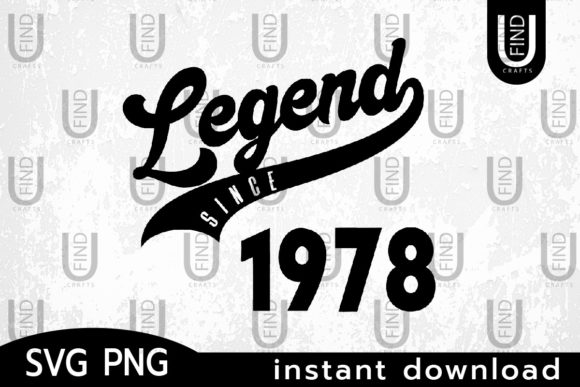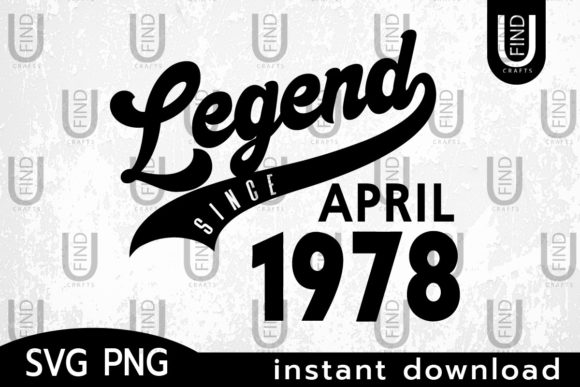
Vintage 1978, Legend Since April 1978
As someone who has spent years stitching out designs for boutique clients and personal gifts, I know that the difference between a good embroidery file and a great one often comes down to character. When I first opened the Vintage 1978, Legend Since April 1978 design, my immediate reaction wasn't about stitch count or digitizing precision; it was about the mood. This isn't just a generic date stamp; it carries a specific retro weight that feels authentic rather than forced. It captures that nostalgic vibe of late seventies Americana without screaming for attention, making it a versatile asset for any crafter looking to add warmth to their handmade products.
The First Stitch: Visual Personality and Mood
In the world of digital downloads, many "vintage" designs feel like they were scraped from a low-resolution image and then poorly vectorized. However, Vintage 1978, Legend Since April 1978 stands out because of its clean lines and confident layout. The typography suggests a classic badge style, which is perfect for creating a sense of heritage on modern fabrics. Whether you are planning to use this for a baby's first birthday outfit or a milestone gift for a forty-six-year-old, the design commands respect while remaining approachable.
The visual personality here is key. It works beautifully as a standalone element on a chest pocket or centered on a tote bag. The phrase "Legend Since April 1978" implies a story, inviting the wearer to wear their history with pride. For an embroiderer, this translates to a design that doesn't require heavy embellishment to look finished. It relies on the strength of the lettering and the implied vintage aesthetic, which is a relief when working with limited thread colors or smaller hoop sizes.
Real-World Application: From Screen to Sweatshirt
I recently tested this design in a practical scenario involving a custom order for a small shop owner who needed holiday gifts for her staff. She wanted something that felt personal but professional. We selected a heather grey sweatshirt and decided to place the Vintage 1978, Legend Since April 1978 motif on the front left chest area. The result was striking. The retro font contrasted perfectly against the textured fabric, giving the garment an instant premium feel.
This design is not limited to apparel. Imagine applying it to a canvas tote bag for a craft fair booth. The textural difference between the woven cotton of the bag and the smooth satin stitches creates depth that customers love to touch. Or consider using it on a linen tea towel for a kitchen-themed gift set. The "Legend" aspect adds a humorous yet affectionate touch that appeals to adults celebrating milestones. For Etsy sellers and small business owners, this file offers a high perceived value because it looks like a custom, commissioned piece rather than a mass-produced item.
When used on baby clothes, the design takes on a softer tone. A onesie featuring "Legend Since April 1978" might be a bit large for a newborn, but scaled down slightly, it becomes a charming keepsake for a child born in that year, or perhaps a fun nod to a parent's birth year. The versatility allows it to bridge the gap between commercial merchandise and intimate, personalized gifts.
Where Caution is Required: Fabric and Hoop Considerations
While the design is robust, every machine embroidery project has its limits. If you are working with stretchy knits like thin t-shirts or jersey fabrics, you must ensure you are using the correct stabilizer to prevent puckering. The density of the fill stitches in the lettering requires a firm backing to maintain shape. Without proper stabilization, the tension can pull the fabric, distorting the vintage aesthetic you worked so hard to achieve.
Another area to watch is texture. While the design holds up well on standard cotton and polyester blends, applying it to highly textured fabrics like bouclé or rough burlap can obscure the finer details of the lettering. The threads may get lost in the weave, reducing the clarity of the message. Similarly, if you are attempting to stitch this on a curved surface like a baseball cap, pay close attention to the placement. Curved surfaces can compress the stitches, making the text appear narrower than intended. In these cases, testing on a scrap piece of the actual garment material is non-negotiable.
For very small hoop projects, such as a tiny patch or a detailed corner of a shirt cuff, you need to evaluate the minimum size requirements. If the design is too dense for a tiny area, the stitches will crowd each other, leading to a muddy appearance where individual letters lose definition. Always check the dimensions before committing to a final product, especially if you are selling items that require precise sizing.
Impact on Brand and Customer Trust
In the handmade market, quality speaks louder than words. A well-executed embroidery project builds trust with your customer. Using a design like Vintage 1978, Legend Since April 1978 signals that you care about aesthetics and detail. When a customer receives a product where the stitches are even, the colors pop, and the design sits flat, they perceive the entire brand as professional. This is crucial for crafters looking to scale into commercial embroidery or those building a loyal following on social media.
The design also enhances the "giftability" factor. People buy gifts to convey emotion. A shirt with this design conveys a sense of longevity and celebration. It transforms a simple piece of clothing into a conversation starter. For designers creating printable mockups or digital previews, this file provides a strong focal point that can elevate the entire presentation of a product listing, helping to drive sales by showing potential buyers exactly how the finished product will look.
Practical Designer Notes for Execution
Before you hit the start button on your machine, there are several technical steps to ensure success. First, always test the design on scrap fabric that matches your final project in both color and weight. This helps you gauge the thread color contrast; a light thread on a dark background might need a different shade to stand out effectively. Review the stitch density in your software; if the design feels too heavy for the fabric type, consider adjusting the underlay settings or choosing a lighter stabilizer.
Confirm your hoop size early to avoid mid-project resizing issues. Inspect the small details of the lettering, particularly the serifs and curves, to ensure they won't break during trimming. It is also wise to test the design in black and white mockups to see how the contrast holds up without the distraction of color. If you plan to sell finished items made with this file, double-check the licensing terms included with the download. Ensure you have the right permissions for commercial use, as some digital assets are restricted to personal projects only.
Finally, remember that the choice of thread colors can make or break the vintage feel. Classic gold, cream, or muted earth tones often complement the retro theme better than bright neons. By taking the time to select the right materials and follow these practical steps, you can turn the Vintage 1978, Legend Since April 1978 graphic into a stunning centerpiece for your next embroidery project. Whether you are a hobbyist making a gift for a friend or a seasoned pro fulfilling a bulk order, this design offers a reliable foundation for creating high-quality, meaningful work.