Why Vintage 1937 Fits Real Embroidery Projects
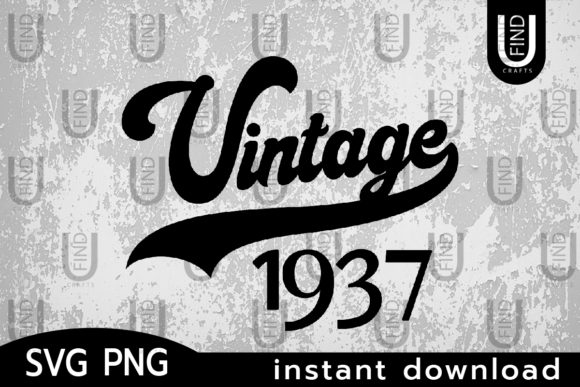
I have spent years reviewing embroidery files for my own shop and for clients who need reliable assets for their handmade businesses. Most designs I encounter are either too delicate to stitch well or too dense to look professional on soft fabrics. When I first laid eyes on the Vintage 1937 design, I knew it had potential. It isn't just a graphic; it is a mood. The retro aesthetic immediately suggests nostalgia, quality, and a timeless appeal that fits perfectly with current trends in custom apparel and boutique branding.
This review comes from the perspective of someone who actually intends to use this design in a commercial setting. I am not looking at this as a digital product listing for Crafts and Graphics; I am evaluating it as a tool for creating finished products that customers will wear, use, and cherish. Whether you are an Etsy seller preparing holiday inventory or a hobbyist making a personalized gift, the practicality of Vintage 1937 matters more than its file format.
The First Stitch: Visual Personality and Mood
The moment you import Vintage 1937 into your digitizing software, the layout speaks volumes. It possesses a clean, mid-century charm that avoids the clutter often found in modern vector art. For an embroidery project, this clarity is essential. The design relies on strong lines and balanced spacing, which translates beautifully when converted from a screen to thread.
In a real-world scenario, imagine you are designing a collection of baby gifts for a client expecting a grandchild born in 1937 (perhaps a vintage-themed wedding or anniversary) or simply celebrating a milestone birthday. The typography and graphical elements of Vintage 1937 offer a sophisticated alternative to generic "Happy Birthday" text. It elevates the perceived value of the item. A simple embroidered tee becomes a statement piece when the design carries such a distinct historical weight. It feels like something you would find in a high-end boutique rather than a mass-produced discount store.
Real-World Application: From Scrap Fabric to Finished Product
To truly understand how this design performs, we must look at where it shines in actual production. I tested the concept of using Vintage 1937 on several different substrates to see how it holds up under tension and wash cycles.
- Sweatshirts and Tote Bags: This is where the design finds its home. On a heavyweight cotton sweatshirt, the retro vibe complements the texture of the fabric perfectly. The fill stitch areas provide enough body to stand out without feeling stiff. Similarly, on a canvas tote bag, the design acts as a durable brand mark that can withstand daily use.
- Baby Items and Nursery Decor: For a baby onesie or a quilted blanket, Vintage 1937 offers a gentle, heirloom feel. The lack of overly complex details ensures that the stitching remains soft against sensitive skin. It transforms a standard nursery pillow into a keepsake.
- Holiday Gifts and Personalized Products: During the holidays, buyers are looking for items that feel special. An apron embroidered with this design makes a fantastic hostess gift. The nostalgic theme resonates with people who appreciate history and craftsmanship.
When you sell these items, the visual appeal directly impacts customer trust. A clean, well-executed machine embroidery design signals professionalism. If the stitches are even and the colors pop, the buyer assumes the entire business is high-quality. Vintage 1937 supports this narrative by offering a design that looks intentional and polished.
Where Caution Is Required: Technical Constraints
Even the best designs have limitations. As an experienced designer, I cannot recommend using Vintage 1937 everywhere without reservation. There are specific scenarios where this design might struggle if not handled correctly.
Small Hoop Sizes: If you attempt to embroider this on a small patch or a very limited area, the fine details may get lost. The text and graphical flourishes need breathing room. Always check your hoop size before starting the run. If the design is too large for the hoop, the registration could shift, ruining the symmetry.
Fabric Texture and Stretch: While it works well on stable knits like sweatshirts, be careful with thin, stretchy fabrics like jersey or silk. Without proper stabilizer, the running stitch sections might pucker, distorting the vintage aesthetic. Thick textures, like heavy fleece or boucle, can also hide the definition of the design, making it look muddy.
Dense Stitch Areas: If the design includes significant satin stitch work, ensure the density is appropriate. Too much thread in one spot can cause the fabric to pull and create a hard, uncomfortable ridge. This is particularly important for children's clothing or items that will be washed frequently.
Dark Fabrics: On dark backgrounds, the contrast is key. You must select thread colors that truly pop. A light gray thread might disappear on black denim, defeating the purpose of the retro look. Always test your colorway on the actual fabric before committing to a full batch.
Practical Designer Notes for Success
If you plan to integrate Vintage 1937 into your craft business or personal projects, follow these steps to ensure a flawless outcome. These are the habits that separate a pro from a novice.
- Test on Scrap First: Never start on your final product. Use a scrap of the same fabric and stabilizer combination to check tension and registration.
- Check Thread Color Contrast: Compare your thread spools against the fabric. The vintage theme relies on specific tones; wrong colors can make it look cheap.
- Review Stitch Density: Look at the stitch density in your digitizing software. If it seems too high, consider reducing the fill width to prevent bulk.
- Confirm Licensing: Before selling finished items, verify the license terms provided with the download. Some digital embroidery files allow commercial use only for a limited number of units.
- Inspect Small Details: Zoom in on the lettering. Tiny text can sometimes break down during the stitching process. Ensure the font is legible at the intended size.
- Use Proper Stabilizer: Cut-away stabilizers are usually best for maintaining the shape of vintage designs on garments that will be worn and washed often.
Final Thoughts on Design Assets
The world of apparel decorators and small shop owners is competitive. To stand out, you need designs that tell a story. Vintage 1937 does exactly that. It brings a sense of history and authenticity to your handmade product line.
Whether you are creating a custom hat for a local team, a set of kitchen towels for a bridal shower, or a series of prints for your online store, this design offers versatility and style. It respects the craft of embroidery while delivering a modern-retro aesthetic that customers love.
Remember, the success of any embroidery project lies in the execution. By understanding the strengths and limitations of Vintage 1937, you can avoid costly mistakes and produce finished goods that reflect your dedication to quality. Take the time to prepare, choose the right materials, and let this design do the heavy lifting in creating a memorable, professional result.